

PRODUCTS
CONTACT US
TEL: +86-532-85754589,85775618
FAX: E-Mail
E-MAIL: tlead.net@gmail.com; tlead.net@hotmail.com

Measuring Instruments — Grain Moisture Meter Series
Keywords: Grain Moisture Meter, Digital Grain Tester, Seed Moisture Meter, Moisture Meter for Grain, Portable Grain Moisture Tester
Trustworthy Moisture Readings, Backed by Decades of Calibration Work.
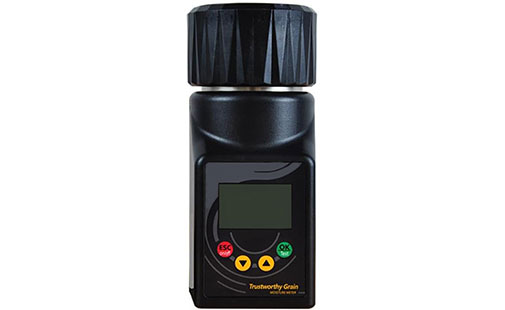
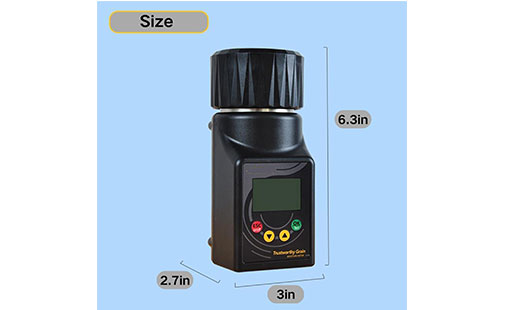
The GM008 is a digital grain moisture meter built for fast, reliable moisture testing across grain, seeds, and oil seeds. It measures moisture content using alternating current resistance (capacitance), with a measurement repeatability of ±0.5% or better. Behind every reading is calibration data developed over 50 years of testing across different grains and seeds, giving you confidence that your results reflect the real moisture condition of your crop.
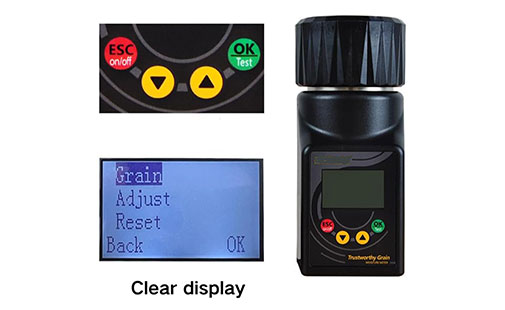
1. Simple Button Interface — On/Off, Test, and up/down navigation keys make taking a reading and moving through the menu quick and intuitive.
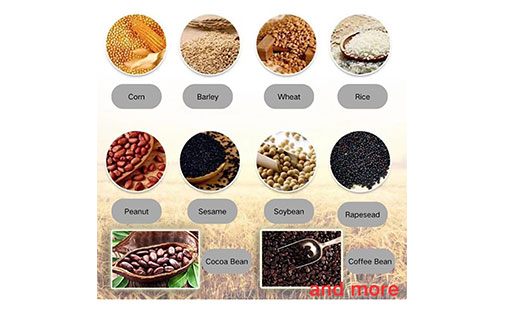
2. 25+ Preset Grain and Seed Calibrations — Select the exact material you're testing, from rapeseed and wheat to sorghum, soybean, corn, cotton seed, and more.
3. Averaging Function — Automatically stores and averages multiple readings per grain type, so you get a more representative moisture value across several samples.
4. Adjustable Calibration — Fine-tune the moisture reading up or down to stay consistent with your local grain dealer's equipment or an oven-dried reference sample.
5. Built-In Temperature Compensation — Displays grain temperature alongside moisture content, measuring across a 0–60°C range.
6. Standards-Based Methodology — Moisture content is defined per ISO 712 (grain), ISO 665 (oil seeds), and ISO 6540 (corn), with sampling based on ISO 950 and handling per ISO 7700/1 and ISO 7700/2.
7. Battery Powered — Runs on four AA (R6) batteries plus one CR1220 backup battery, with a low-battery warning on the display.
1. Take a Representative Sample — Collect at least 5 samples from different places, removing scrap, green, or otherwise exceptional grains. If sampling from a drier, wait for temperature compensation or warm the cup first.
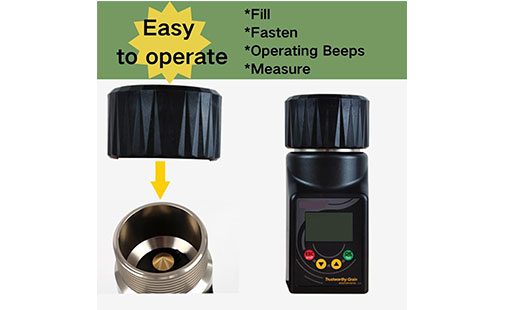
2. Fill the Measuring Cup — Fill it a quarter full with grain, gently shake the meter to let the grain settle, then fill to the brim and wipe off the excess. Place on the cap and twist, tightening until it makes a dripping sound.
3. Select the Grain Type — Switch the meter on, open Menu, choose Grain, and select the correct material from the list.
4. Run the Test — With the correct grain shown on the display, press Test. The meter calculates and stores the moisture content, along with grain temperature and the measurement count.
5. Average Multiple Readings — Take repeat measurements and the meter keeps a running average per grain type; use the Erase option to clear stored results before starting a new set of measurements.
6. Adjust Calibration if Needed — If readings consistently differ from your reference equipment, use the Adjust option under Menu to apply a +/- correction for that specific grain type.
| Measurement principle | Alternating current resistance (capacitance) |
| Moisture range — grain and seeds | 8 – 35% |
| Moisture range — oil seeds | 5 – 25% |
| Repeatability | ± 0.5% moisture or better |
| Temperature measurement range | 0 – 60°C |
| Reference standards | ISO 712 (grain), ISO 665 (oil seeds), ISO 6540 (corn), ISO 950 (sampling), ISO 7700/1 & 7700/2 (handling) |
| Power supply | 4 x AA (R6) batteries + 1 x CR1220 backup battery |
| Auto power-off | 30 seconds after Off is pressed |
The GM008 comes preloaded with calibrations for 25 grain and seed types, including:
| Rapeseed | Sorghum | Lupin |
| Wheat | Soybean | Rice paddy |
| Spring barley | Sunflower | Sesame |
| Field bean | Corn (high moisture) | Cotton seed |
| Corn | Cotton parker | Canola |
| Winter barley | Peanuts | Watermelon seed |
| White oats | Buckwheat | Coffee beans |
| Black oats | Hard wheat | Radish seeds |
| Cocoa bean |
The GM008 is designed for farmers, grain elevators, and seed processors who need quick, dependable moisture readings for harvest timing, storage decisions, and quality control across a wide range of grains, cereals, and oil seeds.